01
It lives in your head
You are the integration between the phone, the calendar, the estimates and the crew. Nothing breaks while you are paying attention, which is the problem.
One engagement, in that order. You do not have to know which part you need.
It is a coordination problem. And it usually looks completely normal until the business gets busy.

01
You are the integration between the phone, the calendar, the estimates and the crew. Nothing breaks while you are paying attention, which is the problem.

02
The calendar does not know what the inbox knows. Somebody re-types the same customer into a third place, and one of the three is wrong.

03
The quote from last Tuesday, the patient who cancelled, the customer who was happy. All of it depends on somebody remembering on the right day.

04
More work should mean more profit. Instead each new customer adds another thing to hold in mind, and the busiest week is the one where things get dropped.

Before we build anything
Most businesses don't need another piece of software. They need someone to understand why the operation keeps depending on people remembering what happens next.
We sit down with the owner and the team, understand how customers move through the business, identify where revenue, time and information are being lost, and decide what actually needs to change.
The work before the build
What should we fix first?
We don't automate businesses.We make businesses run better.
Automation is one of the tools.
Running on ARIZN today
Spas, restaurants, jewellery, distribution. The businesses are different. The work starts the same way — understand how the business actually runs, then find what it is losing.
Beauty & Wellness
Someone sees the spa on Instagram or through paid advertising.
They submit a form, send a DM or call.
Someone needs to respond while the lead is still interested.
The customer needs to remember and show up.
The staff delivers the actual service.
Someone asks for the review, encourages another visit, or reconnects later.
The treatment may take 60 minutes. The customer relationship lasts much longer.
Paid for the click. Lost the customer before the conversation.
The slot disappears unless someone has time to refill it.
Nobody asks for the review while the experience is fresh.
The business already paid to acquire them once.
None of these problems happen inside the treatment room. But all of them affect revenue.
Sometimes the leak is the phone. Sometimes it is follow-up. Sometimes the systems simply don't know what each other knows.
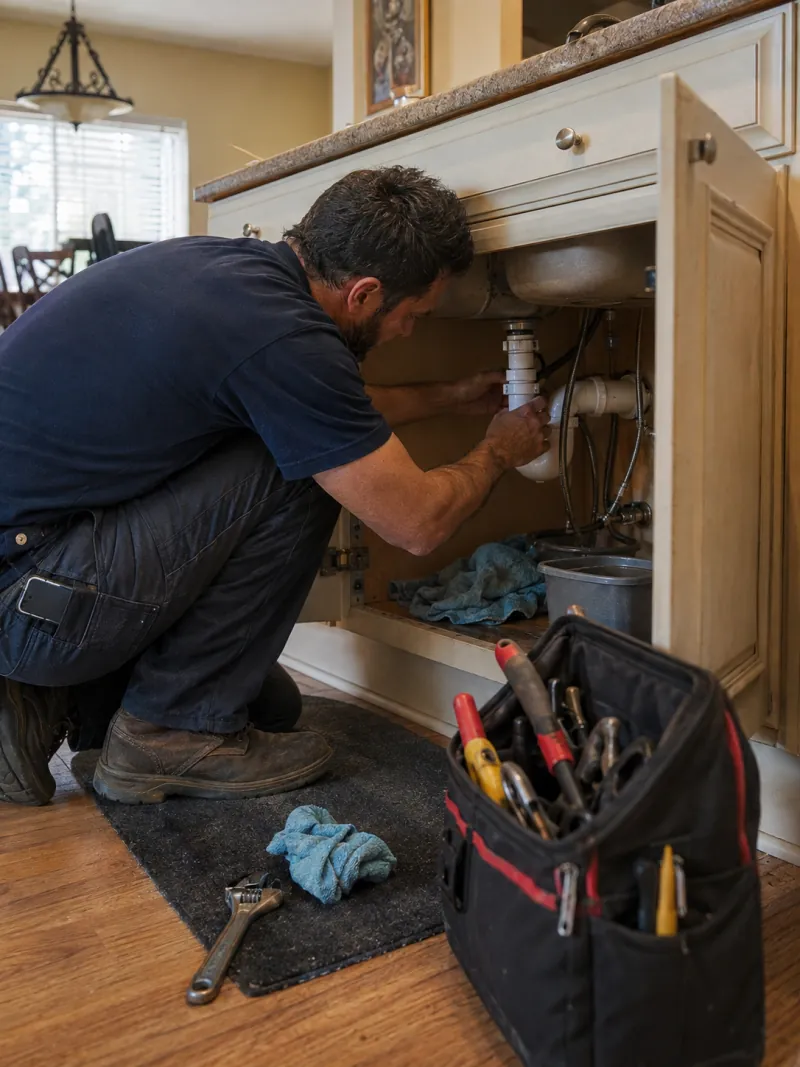
You were under a sink when it rang. The caller did not leave a message, they called the next name on the list. This picks up, books the job and follows up in the morning.
Happy customers rarely think to post about it. Ask the day the work is done, while they still like you, and nudge the ones who meant to and didn't.
An empty chair costs the same as a full one. Confirm before the day, and the people who were going to cancel say so early enough for you to refill it.
The estimate you already sent is the cheapest sale you have left. It went quiet because nobody had time to chase it, not because they said no.
Your kitchen capacity is worthless if the queue is stuck at the register. Every customer gets asked about the drink and the side, every single time.
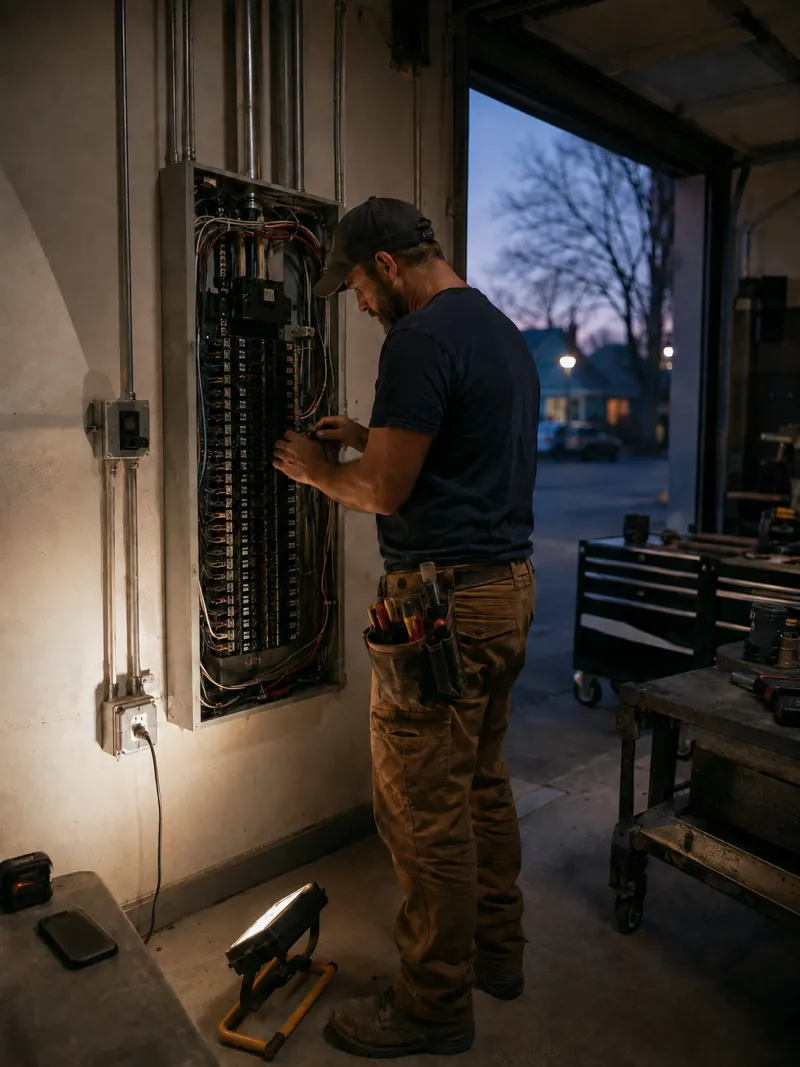
The customer who was happiest is the one most likely to hand you the next job, and the least likely to be asked. Ask at the moment they would say yes.
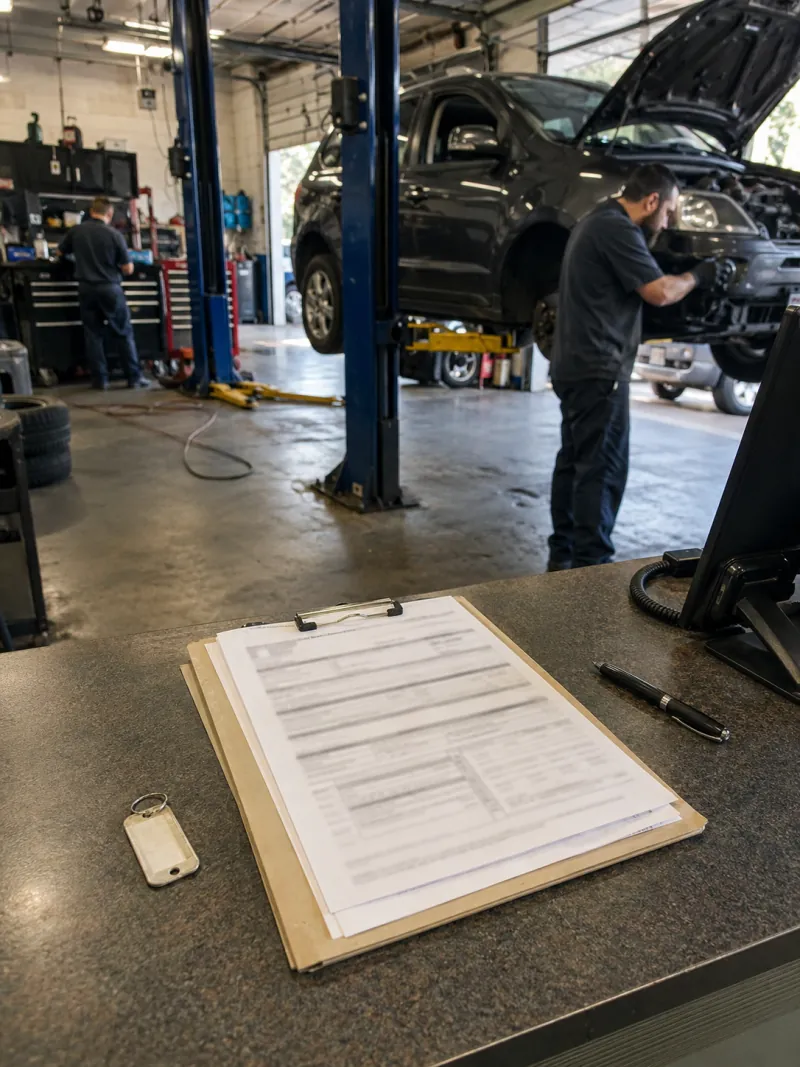
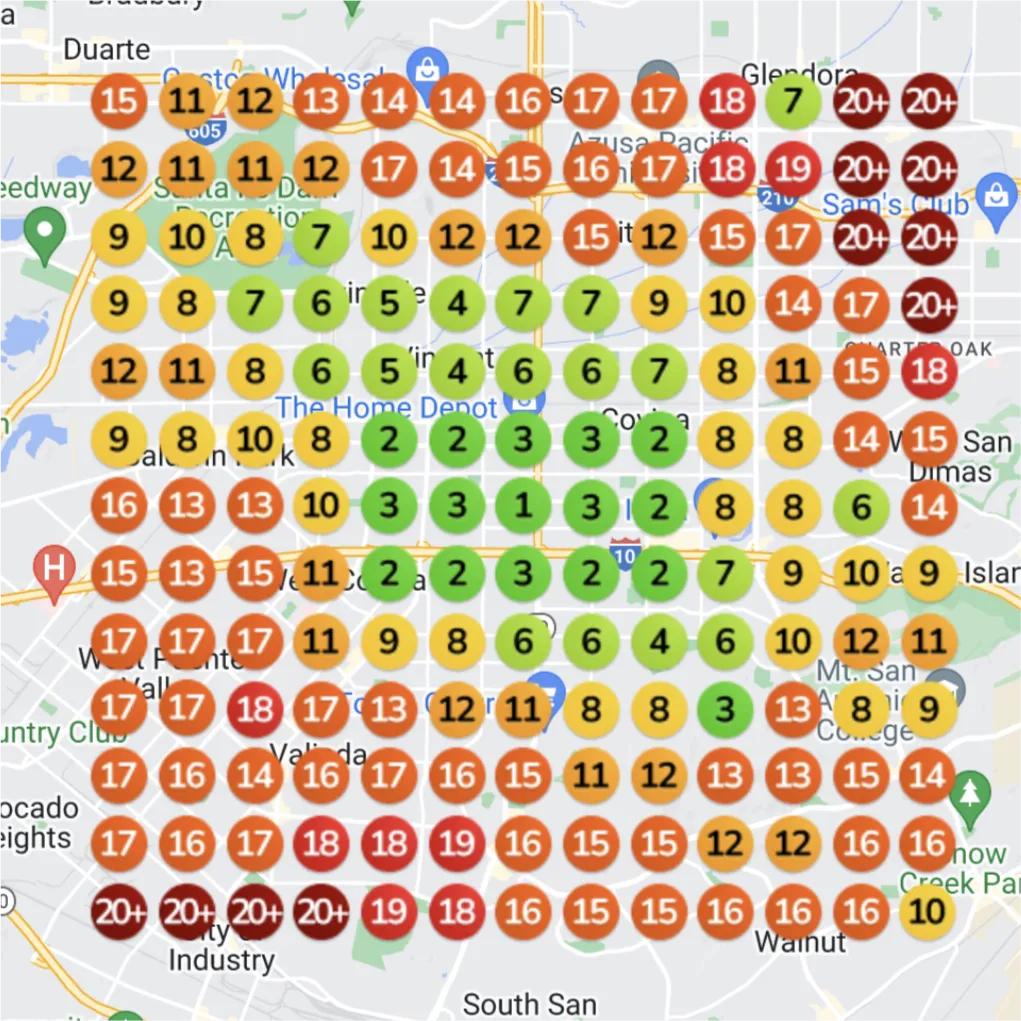
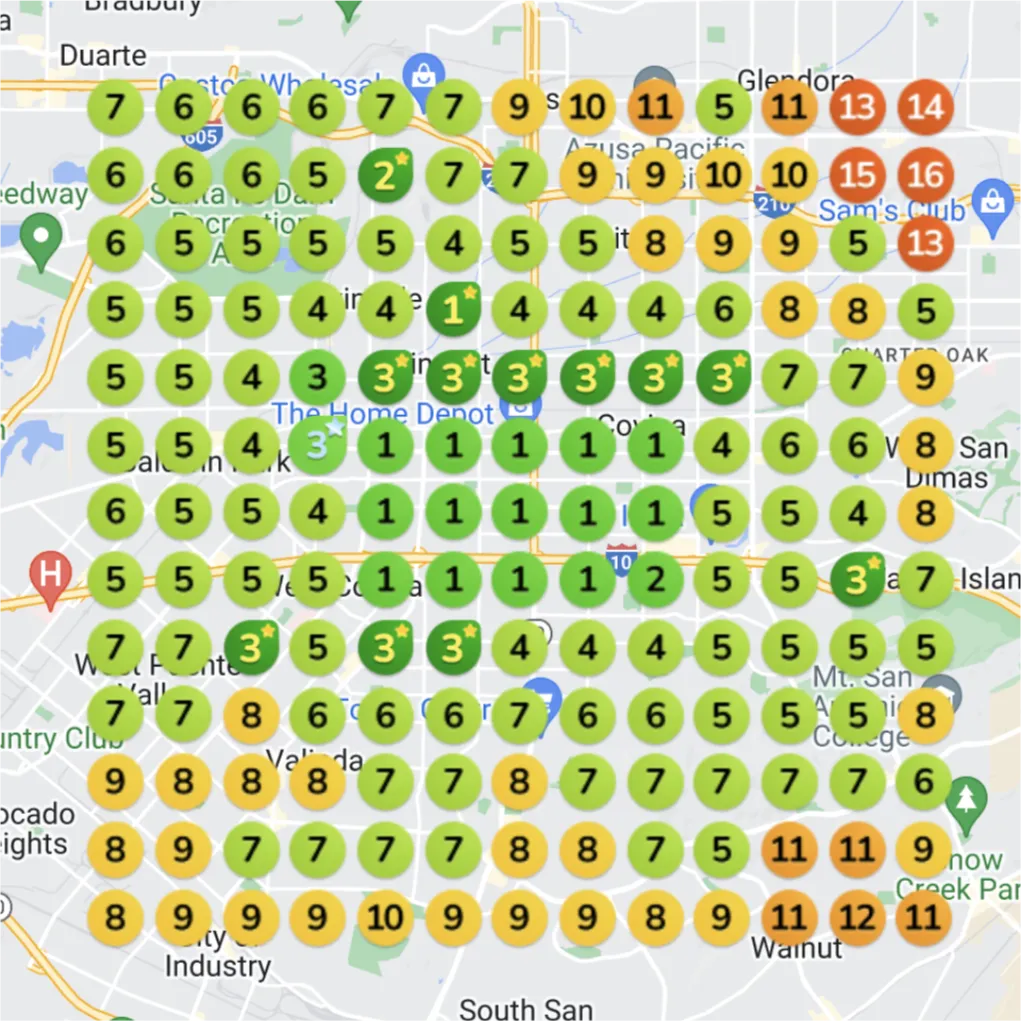
Somebody in your zip code is searching right now. Either they find you or they find the shop two blocks over. Unglamorous, and usually the first thing broken.
The thing your business does that no product covers. The spreadsheet somebody maintains by hand, the hand-off that always slips, the report you rebuild every month.
Illustrative operational scenario. Actual results vary by call volume, close rate, service value and availability.

Not a mockup
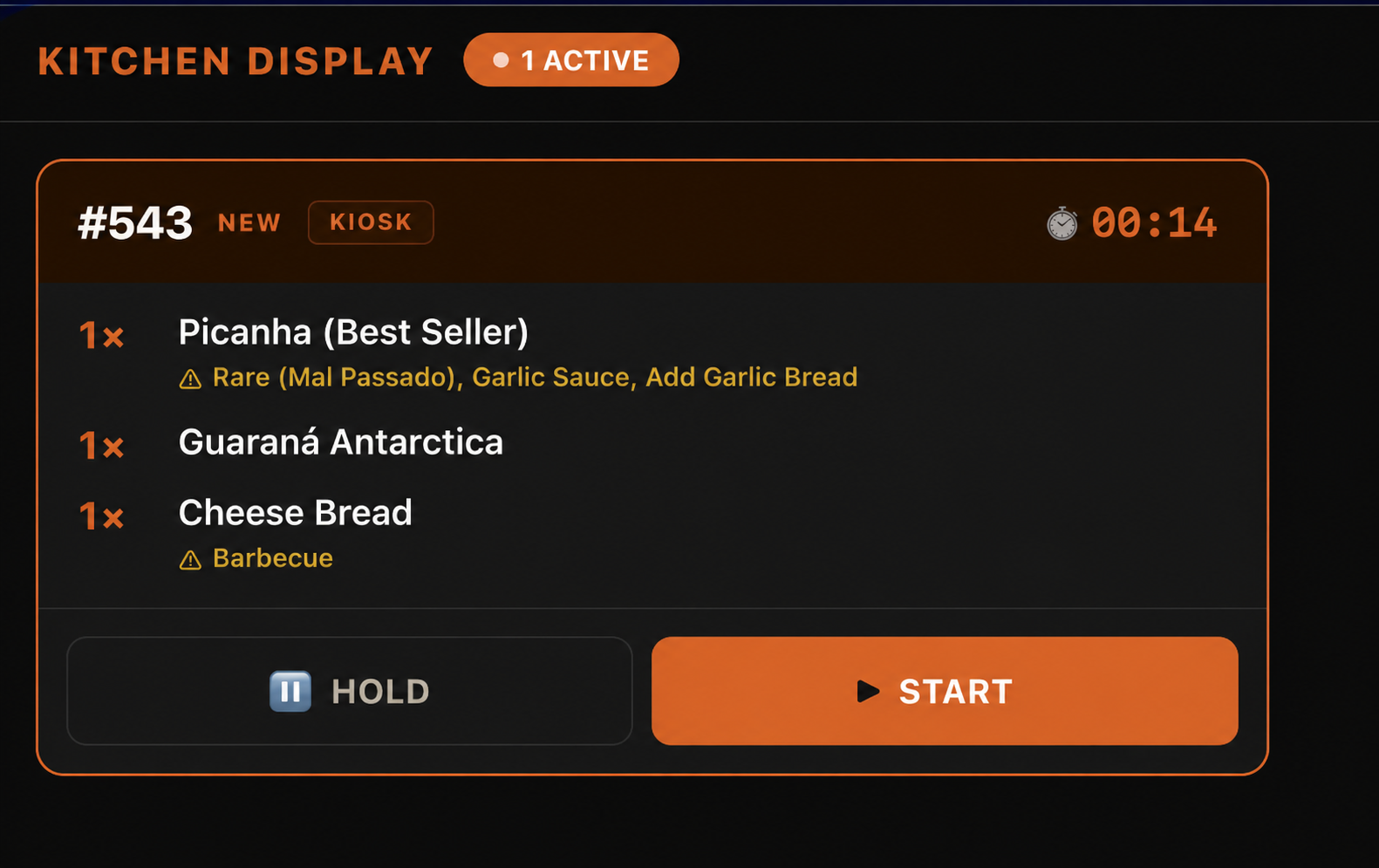
Ticket #543, fourteen seconds old. Picanha mal passado, garlic sauce, add garlic bread. A Guaraná. Cheese bread with barbecue.
Nobody typed any of that. The customer picked it on the kiosk, the kiosk asked about the garlic bread and the drink because it always asks, and the ticket went to the kitchen without a cashier in the middle. That is the entire pitch.
A missed call at an HVAC company, a cancelled facial and an estimate nobody chased are the same problem wearing different clothes. The figures below come from our own articles, linked underneath the chart further down.


What a big company actually has
It was better infrastructure.
A large company runs on infrastructure: sales, marketing, service, operations and management each held up by something other than a person's memory. That is the whole gap. It is not talent, and it is not effort.
Somebody does the thing, the same way, most of the time. It works until that person is busy.
The phone knows the calendar. The calendar knows the customer. Nobody re-types anything.
Follow-up happens whether or not anyone remembers. Reviews get asked for. Estimates get chased.
One view of what happened, what matters and what needs a person today. That is the part owners never get.
The difference is infrastructure
Your small business.With big company infrastructure.
People stay where judgement, skill and relationships decide the outcome. Systems take the parts that only ever needed somebody to remember.
Show us how your business runsA local business with 40 missed calls a week is leaving
$91,000
on the table every year. Not to competition, not to pricing — to a phone that rang while everyone was already on a job.
Illustrative scenario: 40 missed calls per week, $220 average customer value, recovering 20%. Actual results vary.
This is a simple model using example inputs: missed calls per week, average customer value and weeks in a year.
Recover just 20%
$91,520
An illustrative model, not a forecast and not a measured result. The inputs are the ones to argue with: a shop taking ten missed calls a week, or closing at $90, gets a different number.
Figures as published on /hvac, /auto-repair and the plumbing and electrical articles. Each is a modelled scenario, not a measured average.
The same people who understand the problem stay involved in designing the solution.

Founder — Systems & Strategy
Pedro turns operational problems into systems. He maps how the business works, identifies where information and revenue are getting lost, and designs the infrastructure that connects it.

Co-founder — Business & Growth
Yan works directly with owners and teams to understand how the business operates, where growth is getting stuck, and what should change before anything gets built.
Practical breakdowns of missed calls, no-shows, follow-up, reviews and revenue leaks across local businesses.
Start with the business. Not the software.
Start with what is costing your business most. Build from there.